


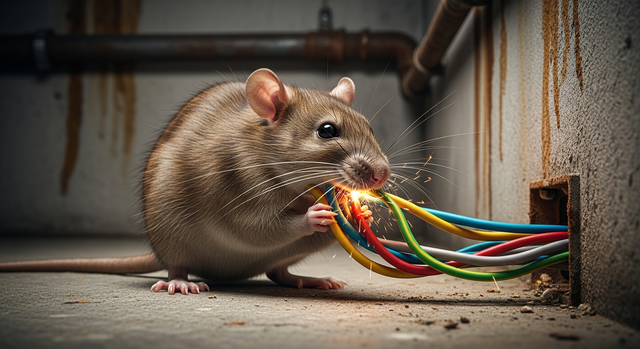
Understanding the Importance of Cleaning After Removal
Removing mice from your home is only the first step in effective pest control mice. Mice leave behind droppings, urine, and nesting materials that can harbor harmful bacteria, viruses, and allergens. Without proper cleaning and disinfection, your home may remain a health risk even after the rodents are gone. Taking immediate and thorough cleaning measures ensures that your living environment is safe and prevents further contamination.
Identifying Contaminated Areas
The first step in post-removal cleaning is identifying all areas affected by mice activity. Look for droppings, gnaw marks, urine stains, and nesting materials, which are commonly found in kitchens, basements, attics, and behind appliances. Walls, floors, and storage areas may also be contaminated. Recognizing these hotspots helps prioritize cleaning efforts and ensures no areas are overlooked, which is crucial in comprehensive Pest Control Mice practices.
Safe Removal of Droppings and Nesting Materials
When handling mouse droppings and nests, safety should be a top priority. Wear gloves and use disposable tools to collect debris. Avoid sweeping or vacuuming dry droppings, as this can release harmful particles into the air. Instead, dampen the droppings with a disinfectant solution before cleaning. Place all waste in sealed plastic bags to prevent the spread of pathogens. Proper disposal is an essential component of post-removal Pest Control Mice, ensuring that contamination does not persist.
Disinfection of Affected Surfaces
Once debris is removed, disinfecting surfaces is critical. Use a strong, EPA-approved disinfectant to wipe down all affected areas, including floors, countertops, and shelves. Pay special attention to corners, crevices, and hidden spaces where mice may have urinated. For porous surfaces such as carpets or upholstery, steam cleaning can help eliminate bacteria and neutralize odors. Thorough disinfection prevents the spread of disease and is a vital step in maintaining a healthy home environment after Pest Control Mice.
Cleaning Kitchen and Food Storage Areas
Kitchens and pantries are particularly vulnerable to contamination. Remove all food items and inspect them for signs of contact with mice. Any contaminated food should be discarded immediately. Clean shelves, drawers, and containers with a disinfectant, and consider using airtight containers for future food storage. Maintaining hygienic kitchen practices reduces the risk of secondary infestations and supports long-term Pest Control Mice efforts.
Laundering Contaminated Fabrics
Mice may leave urine and droppings on fabrics, including clothing, bedding, and curtains. These items should be washed separately in hot water with a strong detergent. Adding a disinfectant to the wash can further reduce the risk of bacterial contamination. Drying items at high heat also helps eliminate pathogens. Laundering contaminated fabrics is an important step in fully sanitizing your home after a rodent infestation.
Air Quality and Odor Control
Even after cleaning and disinfection, lingering odors from mice can persist. Ventilating the home by opening windows and using fans helps improve air quality. HEPA filters in air purifiers can remove airborne particles, reducing allergens and bacteria. Addressing odors and air quality is an often-overlooked aspect of Pest Control Mice, but it is essential for restoring a safe and comfortable living environment.
Regular Maintenance and Prevention
Cleaning after removal is not the final step. Regular maintenance and preventive measures are crucial to avoid reinfestation. Seal entry points, keep food properly stored, and maintain a clean environment to deter mice from returning. Combining thorough post-removal cleaning with ongoing preventive strategies ensures long-term success in Pest Control Mice.
Conclusion
Effective Pest Control Mice goes beyond removing the rodents—it requires comprehensive cleaning and disinfection to eliminate health risks. Identifying contaminated areas, safely removing droppings and nesting materials, disinfecting surfaces, cleaning food storage spaces, laundering fabrics, and improving air quality are all critical steps in the process. By following these measures and maintaining preventive practices, homeowners can ensure a clean, safe, and rodent-free environment.